Ten Years in Three Iconic Pieces
A plant is known for what it does. And what Wroclaw has done over the past ten years includes some projects that are worth mentioning.
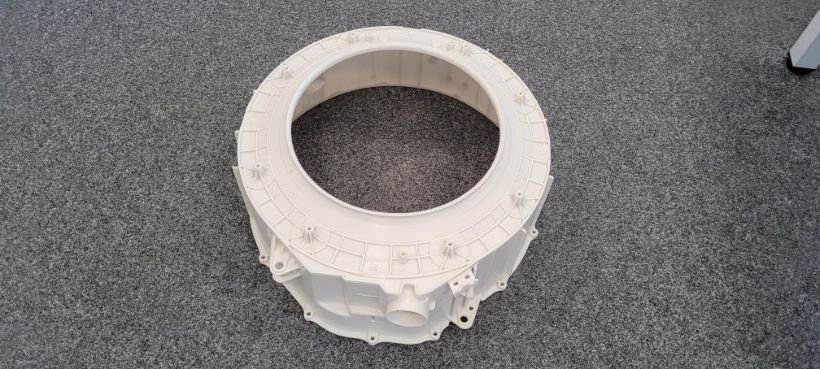
- The white line signaled for the way. The most unexpected development did not come from the automotive industry. In the midst of the pandemic, when vehicle production in Europe plummeted, Wroclaw found an unlikely solution: manufacturing components for washing machines—for LG. The materials were different, the tolerances were different, and the product logic was different. And the team rose to the challenge. That experience demonstrated that, in addition to knowing how to manufacture, the plant knows how to adapt.
- Taking over from the flooded plant. The second flagship project came amid another crisis: while the Albal plant was still removing sludge, Wroclaw received the molds that had been urgently transferred from Valencia and put them into production. This relocation and industrialization effort required quick decisions, intense coordination, and work during hours that no one would choose to work. The result was a success. What remained was the confirmation that the Group’s two plants function as a single entity when the situation demands it.
- Textiles and New Business Partnerships. The third project best illustrates Wrocław’s current technical maturity: the development of interior components using fabric injection technology for a new Volkswagen Group platform. The challenge combines top-tier surface quality requirements, dimensional precision, and the complexity of integrating the fabric into the injection process without visible defects. There is no room for error. Because the interior of a premium vehicle is touched, looked at, and judged with extreme rigor.
These three projects are much more than just success stories. They paint a picture of a plant that has learned to operate amid uncertainty, collaborate under pressure, and solve technical problems. Because ten years is a long time.