The 5 decisions that allowed us to resume production after the storm (and what we learned)
On the afternoon of October 29, 2024, our plant was flooded and rendered inoperable. Thirty people were trapped. When they were rescued, the priority was clear: protect people and restore supply to customers without breaking the value chain. With the perspective that time gives us, we know that the key to rebuilding was making quick decisions and executing with discipline.
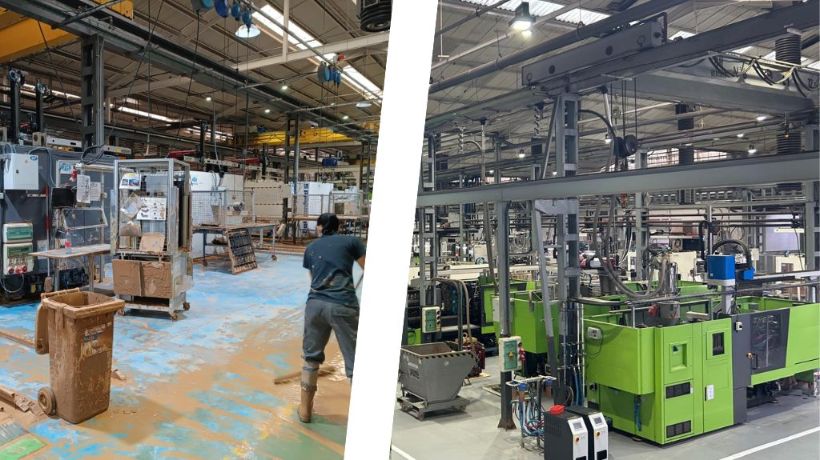
These were the 5 decisions that made the difference.
1. People first (really)
Safety came first: evacuation, access, designated areas, procedures, and risk control in a degraded environment.
Lesson learned: putting people first is not an abstract value; it is an operational decision. When the team feels protected, there is less noise, more coordination, and better decisions under pressure.
2. A crisis committee within hours and with clear roles
After the critical phase, we activated a committee via videoconference and distributed responsibilities with one goal: to regain control and continuity.
Lesson learned: in a crisis, speed cannot be improvisation. Governance is needed, with one person in charge, a monitoring schedule, and documented decisions.
3. Daily internal communication and unity
With connections down, HR improvised daily communications via WhatsApp for months: progress, shifts, needs, actual status. And something key happened: labels were blurred. Offices, production, logistics, and maintenance worked side by side.
Lesson learned: culture is a coordination system. Internal communication brings people together and speeds up difficult decision-making.
4. Protecting the customer by outsourcing production (now), without lowering standards
With the plant out of commission, we began to outsource. This involved finding companies with the right machinery, coordinating the repair of more than 80 molds, and relocating more than 60 people to maintain our standards.
Lesson learned: Continuity cannot be improvised on the day of the disaster. It is built with a network of allies and a team capable of transferring its own culture outside the company without lowering its standards.
5. More than rebuilding, redesigning (and keeping the future alive)
As soon as we were able to intervene, we made a decision: the plant had to be better than before. In six months, layouts and flows were reorganized; investments were made using a mixed approach (quick purchases, internal engineering, and supplier support); and the minimum was recovered to speed up deadlines.
And, at the same time, innovation and diversification did not stop: they slowed down, but they remained alive.
Lesson learned: if you are forced to stop, do so to reduce future risk and come out more competitive. Resisting is not enough: you have to keep transforming.
For many months, this story was only about mud. Today we know that it is about continuity of supply under pressure, a culture of quality in extreme conditions, and a cohesive team.